 4/8 Gorwa BIDC Ind. Estate, Beside Kaptab pharmaceuticals, Alembic road,Vadodara- 16 Gujarat




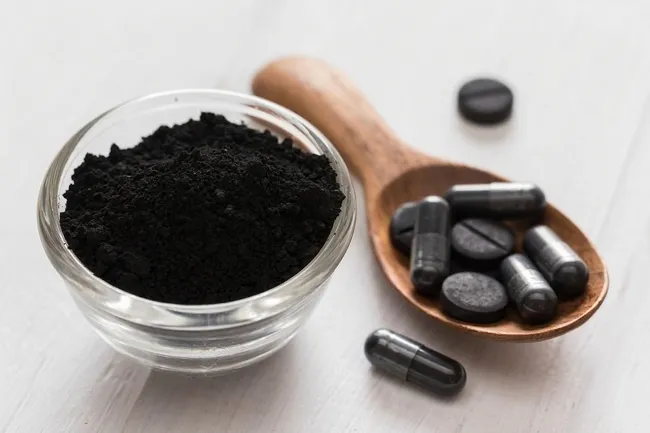
Activated Carbon
Activated Carbon, also known as activated charcoal, is a highly porous adsorbent manufactured from materials such as coconut shell, wood, and coal through an activation process. Steam activation develops numerous pores and creates a large internal surface area for effective adsorption.
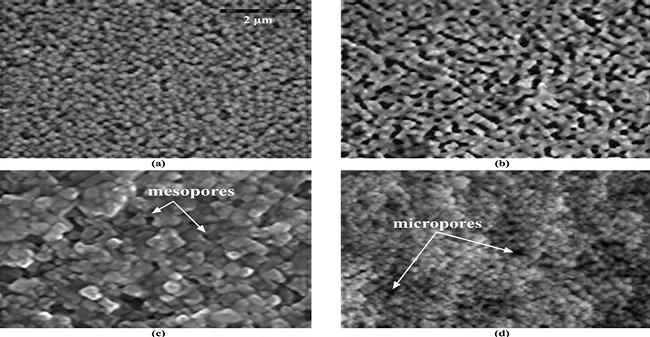
Activated Carbon Granules are widely used in packaging applications and are known for their superior adsorption, high density, and low attrition loss. Due to its high microporosity, activated carbon can provide a very large surface area, making it an effective material for adsorption and moisture or contaminant control applications.
Description
Key Features & Benefits
High Adsorption Capacity – Highly porous structure provides effective adsorption.
Large Surface Area – Approximately 500 m²/g or more depending on the grade.
Multiple Raw Materials – Manufactured from coconut shell, wood, or coal.
High Microporosity – Contains numerous microscopic pores for enhanced adsorption.
High Density – Suitable for applications requiring dense activated carbon.
Low Attrition Loss – Designed to minimize particle breakdown during handling.
Granular Form – Suitable for packaging and other adsorption applications.
Chemical Activation Options – Further treatment can enhance adsorption properties.
Product Specifications
| Specification | Details |
|---|---|
| Product Type | Activated Carbon |
| Also Known As | Activated Charcoal / Active Carbon |
| Available Form | Granules |
| Raw Materials | Coconut Shell, Wood or Coal |
| Activation Process | Steam Activation |
| Structure | Highly Microporous |
| Surface Area | 500 m²/g or More |
| Key Properties | High Adsorption, High Density and Low Attrition Loss |
| Applications | Packaging and Adsorption Applications |
Reviews
There are no reviews yet.